

[column lg=”6″ md=”6″ sm=”12″ xs=”12″ ]
IEEE Life Science Technical Community (LSTC)
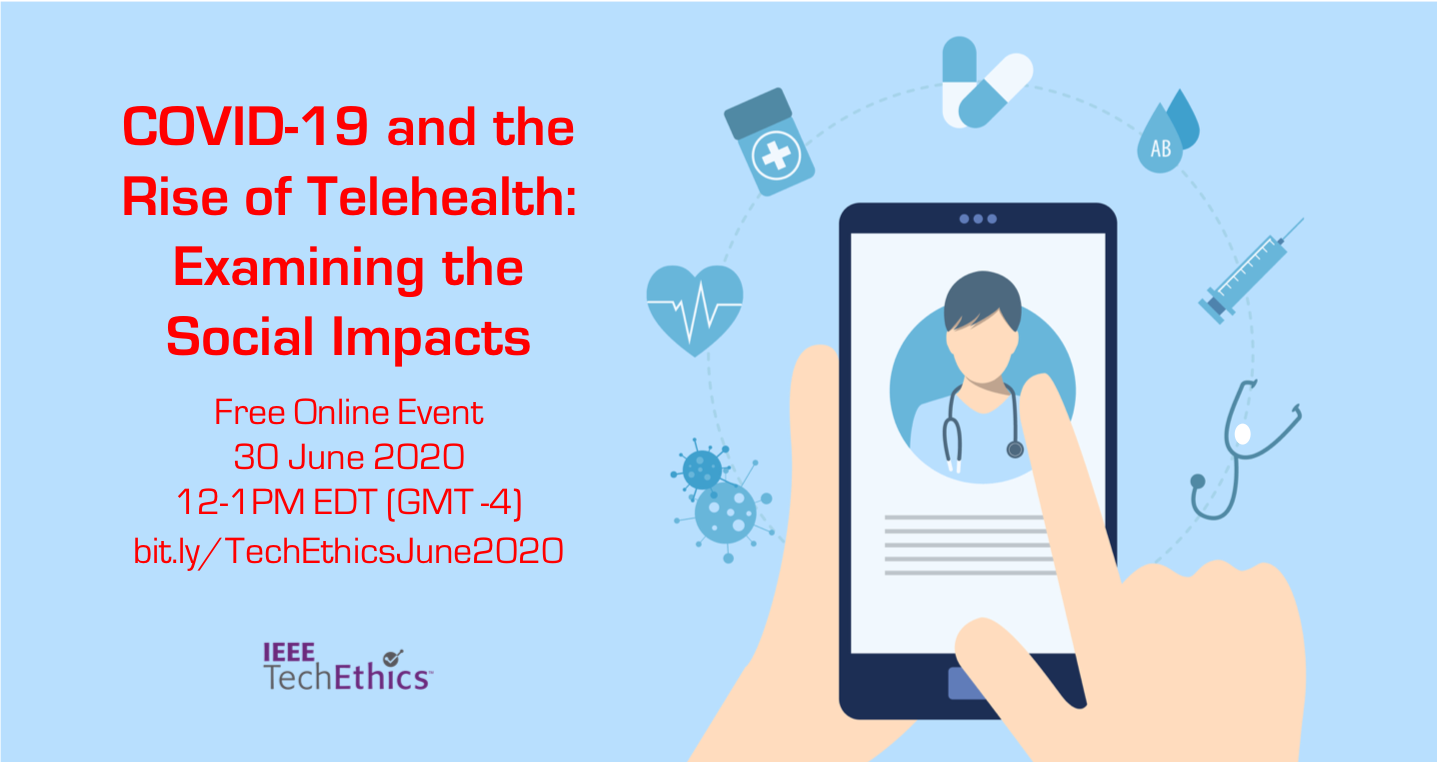
The IEEE Life Science Technical Community (LSTC) provides a broad-based home for IEEE members and societies who are interested in aspects of the life sciences together with stakeholders from technology companies, hospitals, government organizations, pharmaceutical company researchers, and university researchers. Furthermore, along with the objective of IEEE, “Advancing Technology for the Benefit of Humanity”, the Life Sciences Community relies on its Life Sciences & technology practitioners to study the positive as well as the negative effects of technology on users and organizations.
[column lg=”6″ md=”6″ sm=”12″ xs=”12″ ]
Sponsoring Societies of Life Sciences


Supporting Societies
[/row] [row style=”bg-color: #c5ebe6;”] [column lg=”6″ md=”6″ sm=”12″ xs=”12″ ]
Video Spotlight
What is the average time a doctor spends with a patient in the United States?
7 minutes.
It’s fast medicine. We need a new model in this new era.
In this talk, Dr. Eric Topol, Founder & Director of the Scripps Research Translational Institute, will give us a glimpse of the future, helping us understand the promise and expose the pitfalls of artificial intelligence in medicine.
Topol melds genomics, big data, and both information technologies and digital health technologies to advance the promise of personalized medicine. He has published over 1,100 peer-reviewed articles and his more than 200,000 citations place him among the top 10 most cited researchers in medicine as measured by Thomson Reuters’ Institute for Scientific Information. Topol earned his medical degree from the University of Rochester and, after additional training at the University of California, San Francisco and Johns Hopkins University, went to the University of Michigan, where he became a tenured professor. Subsequently, as chief of cardiovascular medicine at Cleveland Clinic, he founded a new medical school and led the organization to become the #1 center for heart care in the nation. In 2007, he founded the Scripps Research Translational Institute, which joined Scripps Research in 2017.
What’s New
The 2020 HIMSS Global Health Conference & Exhibition
Orlando, FL, March 9–13, 2020
HIMSS is a global advisor and thought leader supporting the transformation of the health ecosystem through information and technology. Its conference is the can’t-miss health information and technology event of the year, where professionals throughout the global health ecosystem connect for the education, innovation and collaboration they need to reimagine health and wellness for everyone, everywhere. In a time of unprecedented healthcare disruption, HIMSS20 calls health information and technology professionals around the world to one essential, simple, bold action: Be the change.
42nd Annual International Conferences of the IEEE Engineering in Medicine and Biology Society
Montréal, Québec, Canada, July 20-24, 2020
42nd Annual International Conferences of the IEEE Engineering in Medicine and Biology Society in conjunction with the 43rd Annual Conference of the Canadian Medical and Biological Engineering Society
Motto: Enabling Innovative Technologies for Global Healthcare.
[column lg=”3″ md=”3″ sm=”12″ xs=”12″ ]
Upcoming Events
CES 2020 – THE GLOBAL STAGE FOR INNOVATION
Las Vegas – January 7-10, 2020
CES is the world’s gathering place for all those who thrive on the business of consumer technologies. It has served as the proving ground for innovators and breakthrough technologies for 50 years — the global stage where next-generation innovations are introduced to the marketplace.
Owned and produced by the Consumer Technology Association (CTA)®, it attracts the world’s business leaders and pioneering thinkers.
[column lg=”3″ md=”3″ sm=”12″ xs=”12″ ]
Feature Article
IEEE Life Sciences Bringing Together Expertise from Various Societies
By Nahum Gershon

IEEE is able to provide a wide diversity of expertise, information, and resources that are related to health and to the life sciences. This expertise, however, is often distributed across many organizations, thus posing challenges for integrating the expertise and collaboration among organizations. One of the important functions of the Life Sciences Technical Community (LSTC) is its ability to bring together expertise from the various IEEE societies and organizations and have these entities work as a whole.
[/column][column lg=”3″ md=”3″ sm=”12″ xs=”12″ ]
Feature Article
Artificial Leaf as Mini-Factory for Medicine
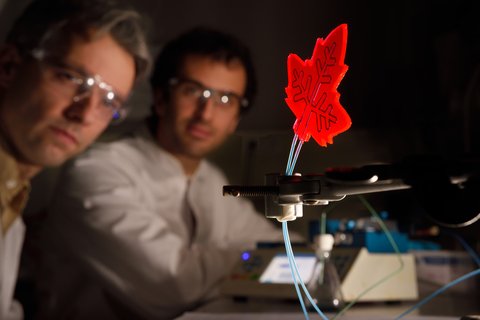 Photo: TU Eindhoven / Bart van Overbeeke
Chemical engineers at Eindhoven University of Technology (TU/e) have developed an artificial leaf that can act as a mini-factory for producing drugs, an advance that could allow medicines to be produced anywhere there is sunlight.
Read More – Eindhoven University of Technology News
[/column][column lg=”6″ md=”6″ sm=”12″ xs=”12″ ]
IEEE Life Sciences Newsletter
The IEEE Life Sciences Newsletter is a new initiative to bring forth interesting articles and informative interviews within the exciting field of life sciences every quarter.
Please subscribe to the Newsletter to receive notification each month when new articles are published.
[/row] [row]
[column lg=”3″ md=”3″ sm=”12″ xs=”12″ ]
[/column] [column lg=”3″ md=”3″ sm=”12″ xs=”12″ ]

[/column] [column lg=”3″ md=”3″ sm=”12″ xs=”12″ ]

[/column] [column lg=”3″ md=”3″ sm=”12″ xs=”12″ ]

[/column]
[/row]